Out of Fight or Flight: Reclaiming Calm in Local Government
Updated: Oct 2, 2025
In the high-pressure world of local government, stress is not just a personal issue it’s a systemic challenge that affects the very fabric of public service. Officers and elected members are often caught in a relentless cycle of demands: budget constraints, political tensions, public scrutiny, and the emotional weight of decisions that impact entire communities. These pressures don’t just create discomfort they activate a primal biological response known as fight or flight.
This response, hardwired into our nervous system, is designed to help us survive immediate threats. It floods the body with adrenaline and cortisol, sharpens reflexes, and prepares us to either confront danger or escape it. But in the context of local government, where challenges are chronic rather than acute, this survival mechanism becomes maladaptive. When professionals operate in a prolonged state of fight or flight, they are not leading they are surviving.

Why It Matters
The implications of chronic stress in local government are profound. The fight-or-flight response is meant for short bursts of action, not sustained leadership. When this state becomes the norm, it undermines the very qualities that make public service effective and humane:
Impaired decision-making: Stress narrows focus and reduces cognitive flexibility, making it harder to weigh options, consider long-term consequences, or innovate.
Reduced empathy and collaboration: Fight or flight prioritises self-preservation, which can erode trust, teamwork, and the ability to engage constructively with colleagues and communities.
Increased absenteeism and burnout: Chronic stress leads to exhaustion, disengagement, and ultimately, departure from the sector costing councils talent and continuity.
Heightened conflict and reactivity: When people are in survival mode, they’re more likely to react defensively, escalate tensions, and struggle with emotional regulation.
A 2016 UNISON survey revealed that 73% of council workers reported rising stress levels, with three in five working longer than their contracted hours. Nearly 60% had experienced abuse, including verbal threats and bullying. These figures paint a stark picture of a workforce under siege one that is expected to deliver vital services while navigating an environment that often feels hostile and unsustainable. This isn’t just a wellbeing issue it’s a governance issue. When those tasked with stewarding public resources and shaping community futures are overwhelmed, the quality of decision-making, service delivery, and democratic engagement suffers. Reclaiming calm isn’t a luxury it’s a leadership imperative.
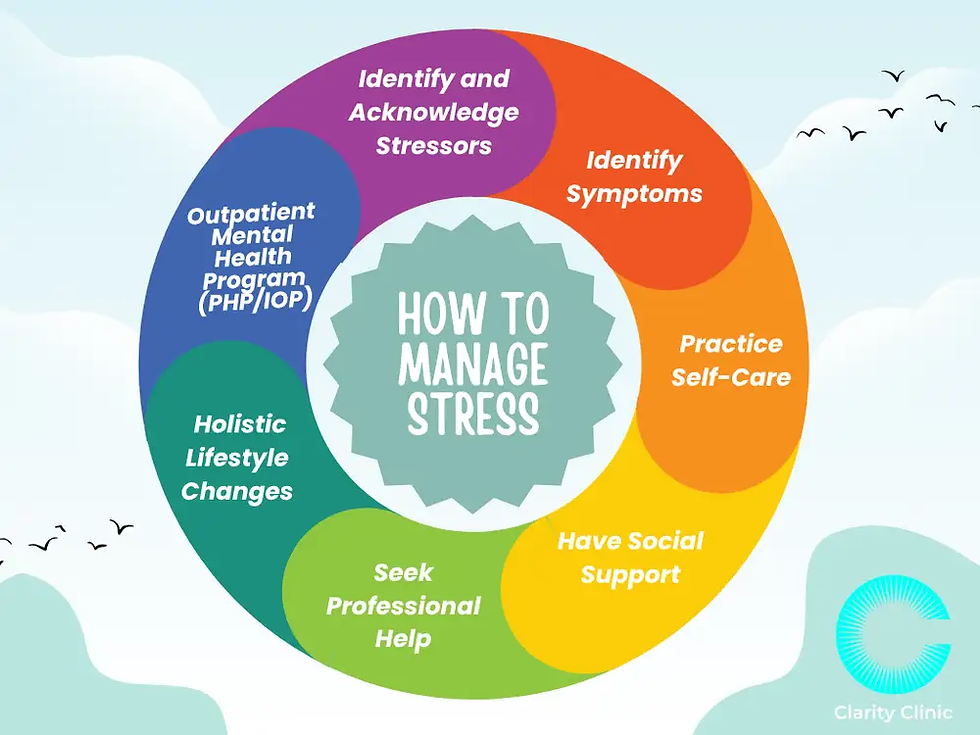
Strategies to Escape Fight or Flight
The fight-or-flight response is a natural reaction to perceived threats, but in the context of local government, where pressures are constant and complex, staying in this state can be harmful. Here are eight evidence-based strategies to help officers and elected members shift from survival mode to a state of calm, clarity, and control.
1. Prioritise Self-Care
Self-care isn’t indulgent it’s essential. Physical activity like walking, swimming, or yoga doesn’t just improve physical health; it regulates cortisol levels and boosts mood. Even a brisk 30-minute walk during lunch can reduce stress by up to 30%. Councils can support this by encouraging walking meetings, offering subsidised gym memberships, or creating wellbeing challenges.
Tip: Schedule movement into your calendar like any other meeting. Treat it as non-negotiable.
2. Time Management
Poor time management fuels overwhelm. Tools like Trello, Outlook calendars, and the Eisenhower Matrix help prioritise tasks and reduce mental clutter. Breaking large projects into manageable phases can increase motivation and reduce procrastination.
Example: A Head of Planning facing a major Local Plan review might break the process into weekly milestones, with clear delegation and check-ins.
Tip: Use the “two-minute rule”: if a task takes less than two minutes, do it immediately.
3. Mindfulness and Meditation
Mindfulness isn’t just for yogis it’s a proven tool for professionals. Practising mindfulness for just 10 minutes a day can improve emotional regulation by 30%. Apps like Headspace or Calm offer guided meditations tailored to workplace stress.
Tip: Start meetings with a 60-second breathing exercise. It sets a calm tone and improves focus.
4. Build Support Networks
Isolation amplifies stress. Peer support groups, mentoring schemes, and informal check-ins can reduce stress by 40%. Councils that foster psychologically safe environments where staff can speak openly without fear see stronger team cohesion and resilience.
Example: A weekly “coffee and catch-up” for councillors or officers can become a lifeline during budget season or crisis response.
5. Healthy Work-Life Boundaries
The blurred lines between work and home especially post-pandemic have led to burnout. Councils trialling four-day work weeks saw a 25% drop in stress. Encouraging staff to log off at a set time, avoid weekend emails, and take regular leave is vital.
Tip: Use email signatures to signal boundaries: “I check emails between 9am–5pm. If urgent, please call.”
6. Stress-Relief Techniques
Quick interventions can reset the nervous system. Deep breathing activates the parasympathetic nervous system, reducing heart rate and anxiety. Nature walks, journaling, or creative outlets like painting or music can boost focus by 30% after short breaks.
Tip: Try the “4-7-8” breathing technique: inhale for 4 seconds, hold for 7, exhale for 8.
7. Foster Emotional Intelligence
Emotional intelligence (EQ) is the ability to recognise, understand, and manage emotions your own and others’. Teams trained in EQ report 35% better dynamics and fewer conflicts. Councils can embed EQ into leadership development and appraisal frameworks.
Example: A Director of Place who actively listens and validates team concerns during a restructure builds trust and reduces resistance.
8. Embrace Change
Change is inevitable in local government whether it’s policy shifts, restructures, or funding cuts. Teams with a growth mindset adapt 50% faster and experience less stress. Leaders can model this by framing change as opportunity, not threat.
Tip: Use reflective questions in team meetings: “What did we learn from this challenge?” or “How can we grow from this?”

Case Study 1: Doncaster Metropolitan Council – Tackling Stress Systemically
Doncaster Council introduced a revised stress management policy based on the Health and Safety Executive’s Management Standards. A Corporate Stress Steering Group was formed, chaired by a senior director, and included HR, trade unions, and wellbeing leads. They used the HSE Indicator Tool and internal surveys to identify stress hotspots.
Key Interventions:
A dedicated intranet page with stress management resources.
Reintroduction of manager and staff training on stress awareness.
E-learning modules for all staff.
Open-door policies and weekly team-building sessions in the Leisure and Culture Service.
Flexible rotas to support work-life balance.
Impact:
Stress-related sickness days dropped by over 13,000 days in the first year.
Increased uptake of training and development opportunities.
Improved team relationships and morale .

Case Study 2: Lancashire County Council – Embedding Emotional Support via EAP
Lancashire County Council partnered with Wellbeing Solutions to implement a bespoke Employee Assistance Programme (EAP). This included a 24/7 helpline, resilience training, and tailored wellbeing workshops.
Key Features:
Confidential support for stress, legal issues, and personal crises.
Customised wellbeing programmes addressing public service stressors.
Resilience and coping skills training embedded into team development.
Impact:
Lower absenteeism due to better stress management.
Increased productivity and engagement.
A more open culture around mental health, reducing stigma and improving morale .

Case Study 3: Emotional Resilience in Leadership – Truth About Local Government
A blog post from Truth About Local Government explored how emotional resilience is becoming a cornerstone of effective leadership in councils. It highlighted the importance of self-awareness, emotional regulation, and adaptability.
Practical Strategies Used by Leaders:
Daily mindfulness practices (10 minutes).
Deep breathing and pausing before responding to stress.
Monthly team-building activities to foster connection.
Reflective journaling and positive self-talk.
Peer support systems and open discussions about mental health.
Impact:
Leaders reported 30–40% improvements in team engagement and productivity.
Organisations offering mental health resources saw a 25% reduction in sick days.
Emotional intelligence training improved conflict resolution by up to 50% .
Final Thought: From Survival to Service
Local government is the frontline of democracy. It’s where policy meets people, where decisions shape daily lives, and where officers and elected members carry the weight of public trust. But when those individuals are stuck in survival mode overwhelmed, reactive, and emotionally depleted the system itself begins to fray. The fight-or-flight response, while biologically useful in moments of acute danger, is corrosive when it becomes chronic. It narrows focus, stifles creativity, and undermines collaboration. In local government, this means poorer decisions, strained relationships, and missed opportunities to serve communities with compassion and clarity.
Investing in wellbeing isn’t a luxury it’s a leadership imperative. When councils prioritise mental health, emotional resilience, and psychological safety, they unlock the full potential of their workforce. Officers become more engaged, members more empathetic, and teams more innovative. The ripple effect is profound: better services, stronger partnerships, and more resilient communities. Wellbeing is not just about protecting individuals it’s about preserving the integrity of public service. It’s about ensuring that those who serve are equipped not just to survive, but to lead, inspire, and transform.
Because when local government thrives, democracy flourishes.