

“Spotting the Slide – Six Signs of Incremental Creep in Local Government Governance”
“Good governance isn’t just about compliance. It’s about building trust, enabling accountability, and ensuring every decision serves the public interest.” – Matt Masters
In a recent episode of The Truth About Local Government, I sat down with Kirsty Hunt from South East Employers to discuss a creeping issue that’s quietly undermining councils across the UK:

incremental creep in governance.
This isn’t a dramatic collapse or a scandal splashed across the headlines. It’s something more insidious. Incremental creep is the slow, almost invisible erosion of governance standards where shortcuts become routine, scrutiny fades, and transparency is quietly sidelined. It’s the kind of issue that builds up over time, often unnoticed, until the consequences are too big to ignore.
What is Incremental Creep?
Kirsty defines it as:
“A gradual erosion or deviation from established governance processes, standards, principles. It’s never a sudden breakdown, but a series of small compromises that accumulate over time.”
Think of it like erosion on a cliffside. You don’t notice the grains of sand falling away, but one day, the cliff collapses. In governance terms, this means that small decisions like skipping a formal review, delaying publication of reports, or relying on informal channels can slowly undermine the integrity of the entire system.
Why It’s Dangerous
Incremental creep is dangerous precisely because it’s subtle. It doesn’t announce itself with alarms. Instead, it quietly chips away at the foundations of good governance. Over time, this leads to:
Reduced transparency: Decisions are made behind closed doors, and information becomes harder to access.
Weak accountability: Oversight mechanisms like scrutiny committees and audit functions lose their influence or are bypassed.
Poor decision-making: Without robust governance, decisions may lack evidence, consultation, or challenge.
Erosion of public trust: Residents begin to feel disconnected from their council, questioning its legitimacy and fairness.

And the most concerning part? It often goes unnoticed until a crisis hits whether financial, reputational, or operational. By then, the damage is done, and rebuilding trust and systems takes far more effort than maintaining them would have. This episode is a wake-up call for anyone working in or with local government. It’s a reminder that governance is not just a technical function it’s the backbone of democratic accountability and public service integrity.
Six Warning Signs of Incremental Creep
In the episode, Kirsty Hunt outlines six critical red flags that signal incremental creep may be taking hold in a local authority. These signs are not always dramatic or immediately visible, but they point to deeper governance vulnerabilities that, if left unchecked, can lead to serious consequences.
Cultural Complacency
When the phrase “That’s how we’ve always done it” becomes embedded in organisational thinking, it signals a resistance to change and a lack of critical reflection. This mindset can stifle innovation, discourage scrutiny, and allow outdated practices to persist unchallenged. Over time, it creates an environment where poor governance is normalised, and new ideas or improvements are dismissed as unnecessary or disruptive.
Leadership Turnover
Frequent changes in senior leadership whether elected members or officers can result in the loss of institutional memory. This means that lessons learned, historical context, and established governance routines may be forgotten or abandoned. Without continuity, councils risk repeating past mistakes and failing to maintain consistent standards. It also makes it harder to embed long-term governance improvements or cultural shifts.
Weak Scrutiny and Challenge
Scrutiny is a cornerstone of democratic accountability. When audit committees, overview and scrutiny panels, or opposition members are under-resourced, poorly trained, or disengaged, poor practices can go unchecked. Weak challenge allows decisions to be made without sufficient oversight, reducing transparency and increasing the risk of errors, inefficiencies, or unethical behaviour.

Governance and Good Governance Over-Reliance on Individuals
Governance should be built on systems, not personalities. If key processes depend heavily on one person whether a senior officer, committee clerk, or governance lead the organisation becomes vulnerable when that individual leaves or is unavailable. This reliance can lead to gaps in knowledge, delays in decision-making, and a lack of resilience in governance structures.
Informal Decision-Making
While flexibility can be useful, consistently bypassing formal governance structures undermines accountability. Decisions made through informal channels such as private meetings, email chains, or verbal agreements lack the transparency and documentation required for public trust. Over time, this can erode confidence in the council’s decision-making and make it difficult to audit or review actions.
Poor Record-Keeping
Governance relies on clear, accessible records. When decision logs, performance dashboards, budget trackers, or consultation reports are missing, incomplete, or out of date, it becomes difficult to monitor progress, identify risks, or demonstrate accountability. Poor record-keeping is often a symptom of deeper governance issues and can hinder both internal management and external scrutiny.
Kirsty emphasises that these signs rarely appear in isolation. Instead, they tend to build up gradually, reinforcing one another and creating a culture where governance standards slip unnoticed. Recognising and addressing these warning signs early is essential to maintaining integrity, transparency, and public trust.

What Can Be Done
Kirsty Hunt’s advice is clear and direct: expose incremental creep. Give it nowhere to hide. The key to tackling this issue is not waiting for a crisis to force action, but proactively building systems, culture, and leadership that make poor governance practices visible, challengeable, and correctable. Here are five practical and strategic steps councils can take:
Empower Statutory Officers
The “Golden Triangle” of statutory officers the Head of Paid Service, the Monitoring Officer, and the Section 151 Officer must be supported and protected in their roles. These individuals are legally responsible for ensuring good governance, financial integrity, and legal compliance. Councils must create an environment where these officers feel confident to raise concerns, intervene when necessary, and challenge poor practices without fear of professional repercussions. As Kirsty notes, this empowerment should extend beyond statutory roles to include other senior officers who contribute to a culture of integrity and openness.
Commission External Reviews
External scrutiny offers a fresh, objective perspective that internal teams may miss. Organisations like South East Employers, the Local Government Association (LGA), and the Centre for Governance and Scrutiny provide peer reviews, governance health checks, and best practice guidance. These reviews can identify both strengths and gaps, helping councils reset their governance culture and rebuild trust. Councils should not wait for a scandal to justify external input proactive engagement is a sign of maturity and commitment to improvement.
Invest in Councillor Development
Councillors play a vital role in governance, but their effectiveness depends on the quality of their induction, training, and ongoing development. Councils should embed political leadership training, scrutiny skills, and community engagement techniques into their development programmes. Frameworks like the Councillor Development Charter and Charter Plus offer robust standards and external validation. When councillors understand their role and feel equipped to challenge and lead, governance improves across the board.
Engage Residents Early and Often
Public accountability should not be limited to election cycles or formal consultations. Councils can build trust and legitimacy by involving residents in decision-making through citizen panels, surveys, participatory budgeting, and co-production. This engagement helps surface concerns early, improves the relevance of decisions, and strengthens democratic health. Councils should also invest in public education about how local government works, so residents understand their rights and opportunities to influence.

Track Democratic Health with Meaningful KPIs
Governance should be monitored just like any other critical function. Councils should use key performance indicators to track transparency, participation, trust, and accessibility. Examples include the timeliness of report publication, the number of scrutiny meetings held, resident satisfaction with engagement processes, and the completeness of decision logs. However, as Kirsty warns, metrics only matter if people pay attention to them. A dashboard that turns red without action is just decoration.
“If people aren’t looking, you can have all the logs in the world but if no one cares they’re falling into the red, what’s the point?” – Kirsty Hunt
Ultimately, tackling incremental creep is about creating a culture where governance is valued, visible, and actively maintained. Councils that take these steps are not just protecting themselves from risk they are building stronger relationships with their communities and laying the foundation for better public service outcomes.
Supporting Data
The risks of incremental creep are not just theoretical they are reflected in national data and sector-wide trends. According to polling conducted by the Local Government Association in 2024, only 54 percent of residents feel they can influence decisions in their local area. This figure highlights a growing disconnect between councils and the communities they serve, and underscores the importance of transparency, engagement, and trust in governance.
The CIPFA Good Governance Framework, widely recognised across the sector, recommends regular reviews of governance health. These reviews are designed to help councils assess their systems, identify risks, and improve performance. However, many local authorities still lack formal mechanisms to carry out these reviews consistently, leaving them vulnerable to the slow erosion of standards that incremental creep represents.
Councils that invest in councillor development particularly those accredited under the Councillor Development Charter Plus report stronger scrutiny engagement and higher levels of public trust. These programmes ensure elected members are equipped with the skills, confidence, and knowledge to challenge decisions, lead effectively, and represent their communities with integrity.
Together, these data points reinforce the message of the episode: good governance is not optional. It is essential to the health of local democracy and the delivery of public services.
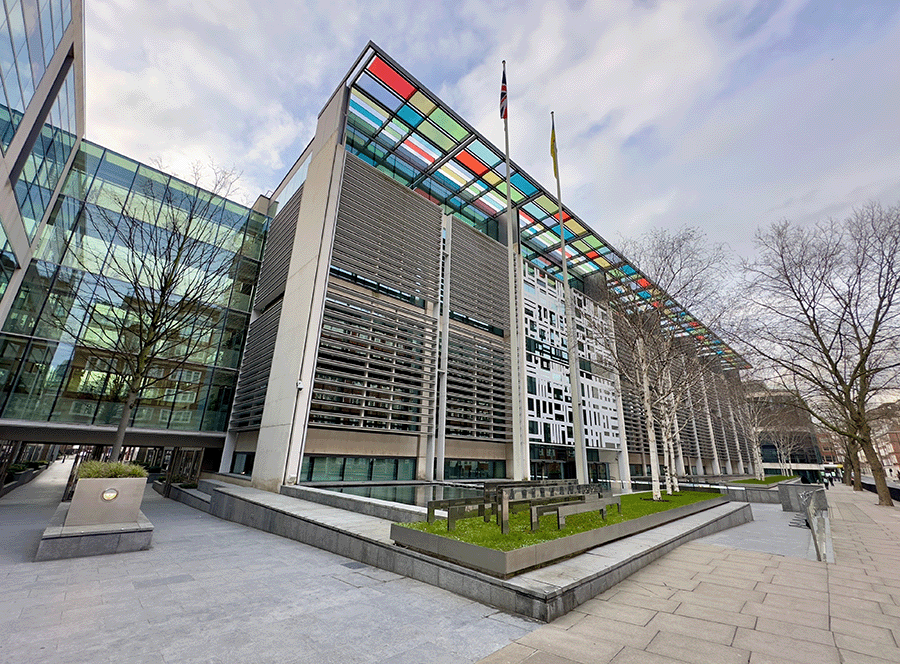
Examples of Councils Leading on Governance – and What We Can Learn
While incremental governance creep is a risk for all local authorities, several councils across the UK have taken proactive steps to strengthen their governance frameworks, embed transparency, and build public trust. These examples offer inspiration and practical lessons for others in the sector.
Burnley Borough Council
Burnley developed a council-wide assurance framework that encourages all staff involved in governance to contribute to regular reviews and take ownership of improvement actions.
Lesson: Embed governance responsibilities across the organisation not just in statutory roles to build a culture of shared accountability.
Essex County Council
Essex established a Corporate Governance Steering Board and prioritised evidence-based decision-making and high-quality reporting. Their governance culture is reinforced by strong relationships between officers and members.
Lesson: Governance thrives when it is embedded into organisational culture and supported by structured oversight mechanisms.
London Borough of Haringey
Haringey made governance central to its transformation agenda, with senior leaders actively promoting its importance.
Lesson: Leadership visibility and advocacy for governance are essential to making it a strategic priority, not just a compliance function.
North West Leicestershire District Council
The council aligned its Annual Governance Statement with the Best Value Standards and mandated governance training for managers.
Lesson: Governance training should be extended beyond elected members to officers at all levels to ensure consistency and resilience.
Brighton & Hove City Council
Brighton & Hove transitioned from a committee system to a leader and cabinet model, aiming to improve resident engagement and councillor-officer relationships.
Lesson: Structural reform must be accompanied by cultural change and investment in relationships to deliver governance improvements.

Brent Council
Brent achieved Charter Plus accreditation for councillor development, with structured induction, continuous improvement, and strong cross-party support.
Lesson: Councillor development is a cornerstone of good governance. Investing in elected members builds scrutiny capacity and democratic resilience.
Antrim and Newtownabbey Borough Council
This Northern Ireland council was re-accredited with Charter Plus status, reflecting its embedded practices in member development and governance.
Lesson: Councils that treat councillor development as a strategic priority not a tick-box exercise see long-term benefits in governance quality and community representation.
Somerset Council (formerly Somerset County Council)
During its transition to a unitary authority, Somerset developed the One Somerset business case, grounded in evidence and stakeholder engagement.
Lesson: Governance reform must be underpinned by a compelling case for change, clear vision, and inclusive planning. Councillors play a vital role in shaping and leading that journey.
These councils demonstrate that strong governance is achievable with the right culture, leadership, and systems in place. Their success stories reinforce the message that governance is not just a compliance exercise it’s a strategic asset that underpins effective service delivery and public confidence.
Final Thought
“Is there incremental creep in your governance? And if so, what are you going to do about it?”
If you’re unsure, now is the time to act. Incremental creep rarely announces itself with a crisis it builds slowly, quietly, and often invisibly. But its impact can be profound, undermining trust, weakening accountability, and exposing councils to reputational and operational risk.
Reach out to Kirsty Hunt and the team at South East Employers for expert support, peer review, and practical advice. Because good governance isn’t just a process it’s a promise to your community. It’s the foundation on which effective leadership, democratic accountability, and public trust are built.


